

PERSONALISATION THAT DOESN’T SCALE
Every message could be personal. Only a few of them are.
Real personalisation needs a decision for every customer, on every send, at a scale no team can make by hand.
Plinc pairs customer data expertise with a platform built to make those decisions automatically, so relevance doesn’t depend on how much time your team has left this week.

WHY THIS HAPPENS
Personalisation gets treated as a content problem.
It’s actually a decision problem.
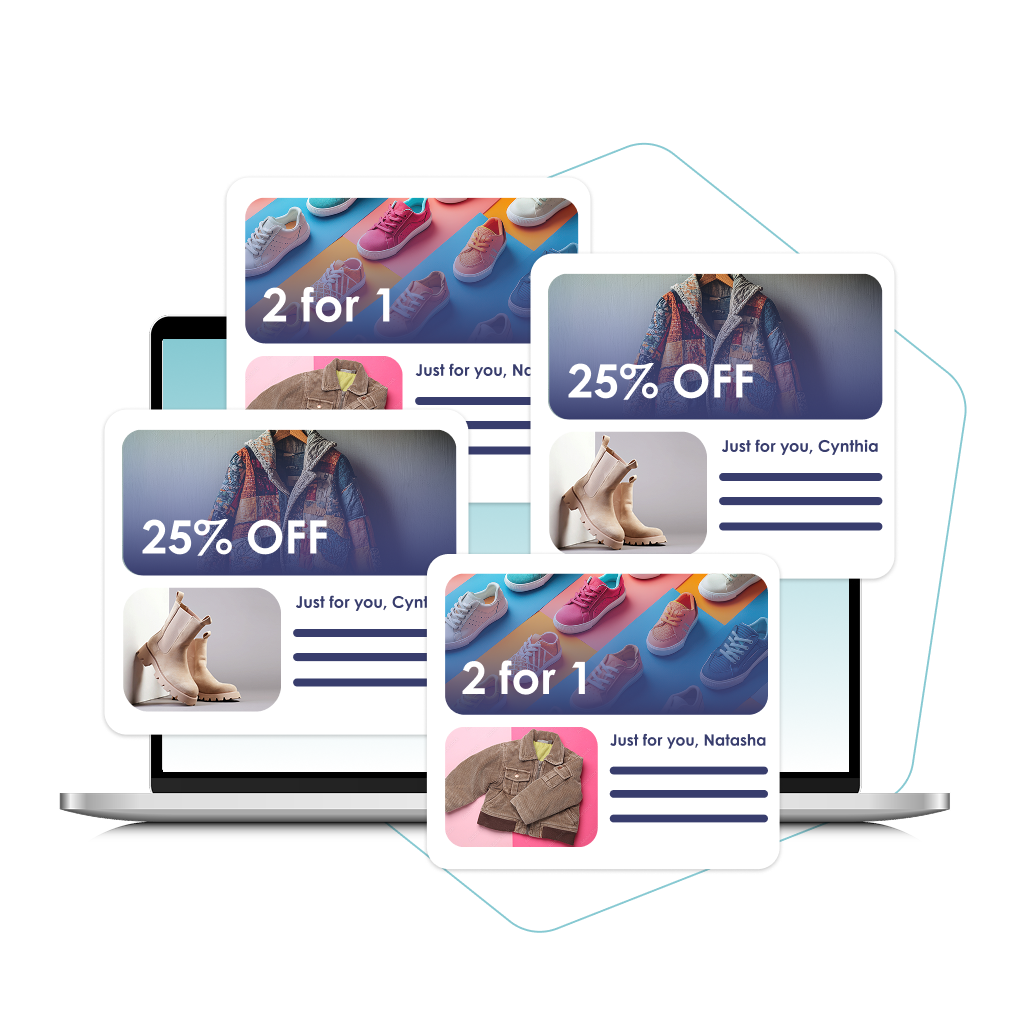
The usual response to “make it more personal” is to build more versions: more segments, more variants, more briefs. Each one is manageable on its own. Multiply it by categories, channels and customers, and the maths stops working long before the ambition does.
The insight into what belongs in front of each customer already sits in the data. What’s missing isn’t the insight, it’s a way to apply it to every customer without a person deciding each case by hand.
Personalisation isn’t short of good ideas. It’s short of a way to apply them at scale.
WHY IT MATTERS
Manual personalisation costs the time it was meant to save.
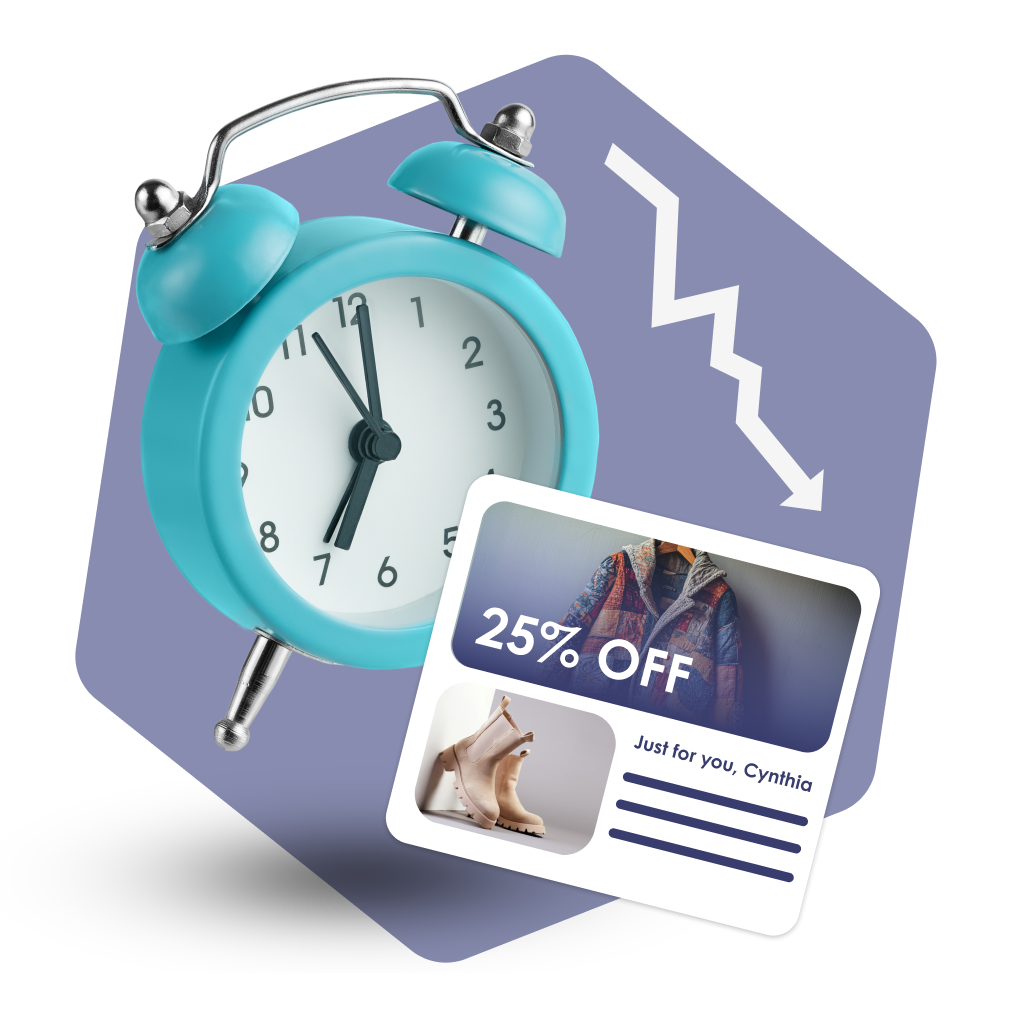
Every generic send undoes a little of the work your best campaigns do to earn attention. Every hour spent hand-building one more variant is an hour not spent on the strategy behind it. And the default version, the one nobody had time to personalise, is the version most of your customers actually see.
Personalisation was supposed to save time by targeting better. Instead it costs time nobody has.
A BETTER STARTING POINT
Relevance, applied automatically, at scale.
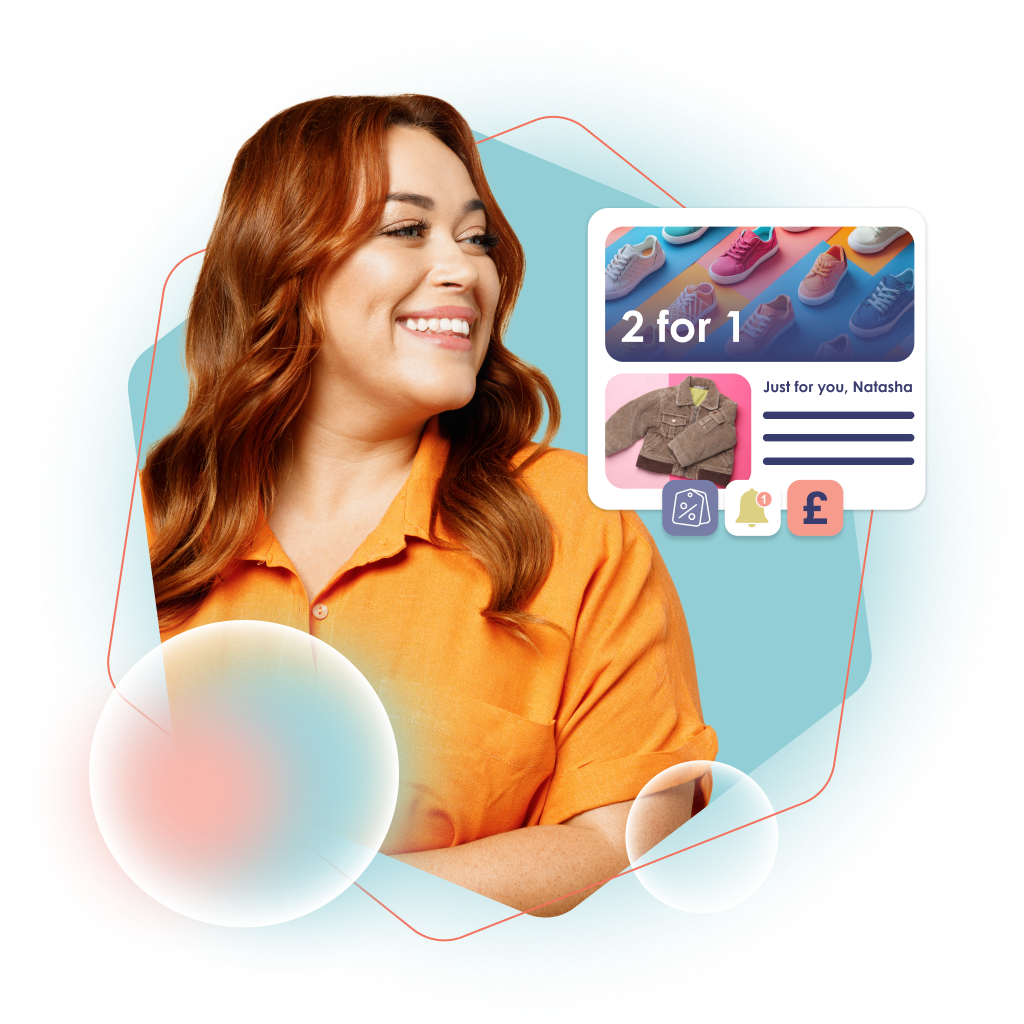
Every customer sees content chosen for them, not built for them by hand. Categories, products and messages are ranked by what each person is genuinely likely to want, and that ranking applies itself across every send.
Your team spends its time on strategy and creative direction, not stitching together the fortieth variant of the same campaign. Personalisation stops depending on how much spare capacity marketing has this month.
HOW WE GET YOU THERE
Hands-on expertise.
Relevance without the extra headcount.
Trading wants reach. Marketing wants relevance. Personalisation is usually where those two collide, and one side quietly wins. Unilyze, our purpose-built platform, scores every customer against what they’re actually likely to want, so relevance and reach stop being opposites and personalisation stops depending on extra headcount to deliver.
That scoring turns straight into what each customer sees, without a person building each variant by hand:

Category Affinity Model
Predicts what each customer wants most, so newsletters and content follow genuine interest without hundreds of manual versions.
Product Recommendations
Surfaces the right products for each customer, on email and web, without merchandising every message by hand.
Generative Content
Extends the same customer intelligence into the message itself, drafting relevant copy for a person to review, not replacing them.
You’re not left to run a personalisation engine alone: our team sets up the models and stays close as your team’s role shifts from building every variant to directing what matters.
Proof, Not Promises
Relevant, at scale, in the real world.

Halfords pedals personalisation from website to till
Q. How does Halfords deliver consistent and personalised messages to all …
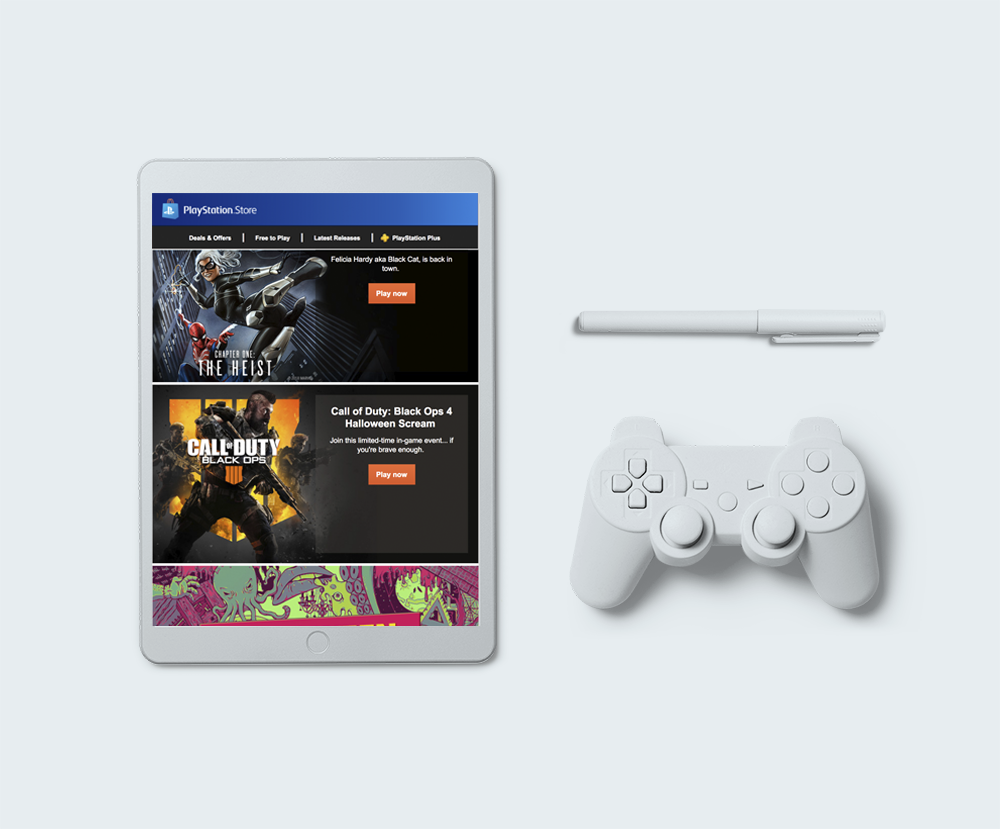
Hyper-personalisation boosts PlayStation’s engagement by 30%
Q. How did PlayStation achieve a massive 30% increase in engagement across …

Real time personalisation results in a 15% rise in email engagement
Q. How did this retailer achieve a 15% uplift in engagement by optimising …
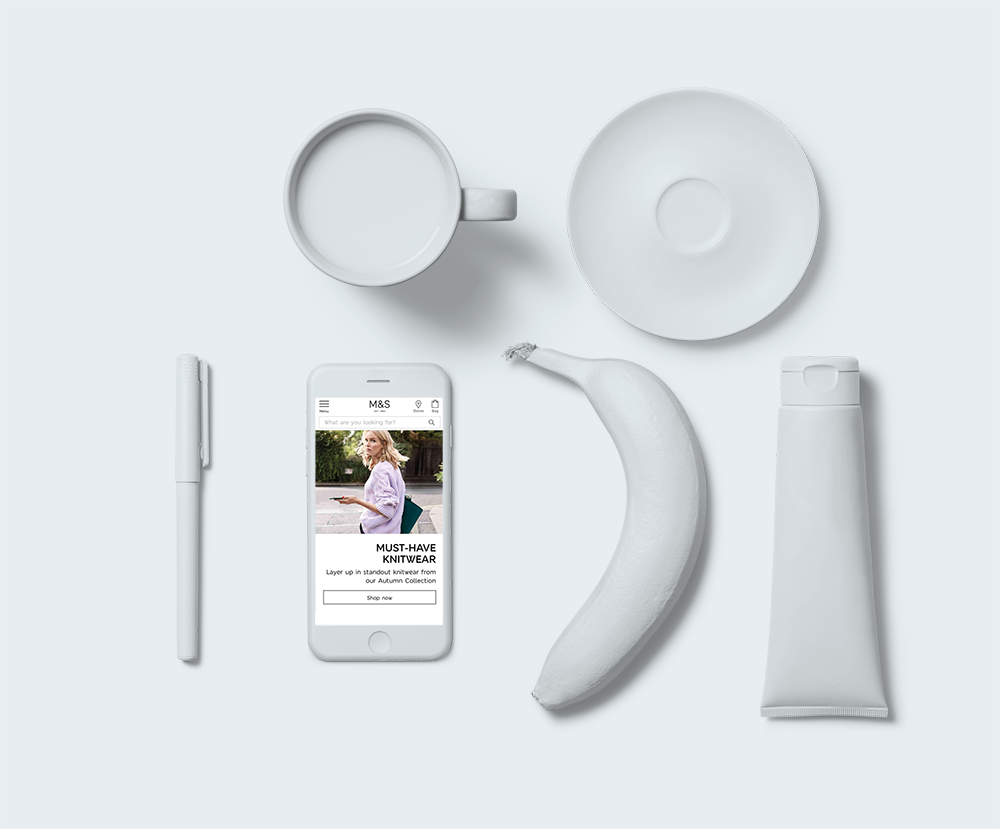
Dynamic campaign platform transforms M&S’ eCRM
Q: How did M&S manage to respond to rapidly changing business needs while …

SCV powers customer-centricity at Halfords
Q. How can Halfords understand customer behaviour groupwide to develop a …
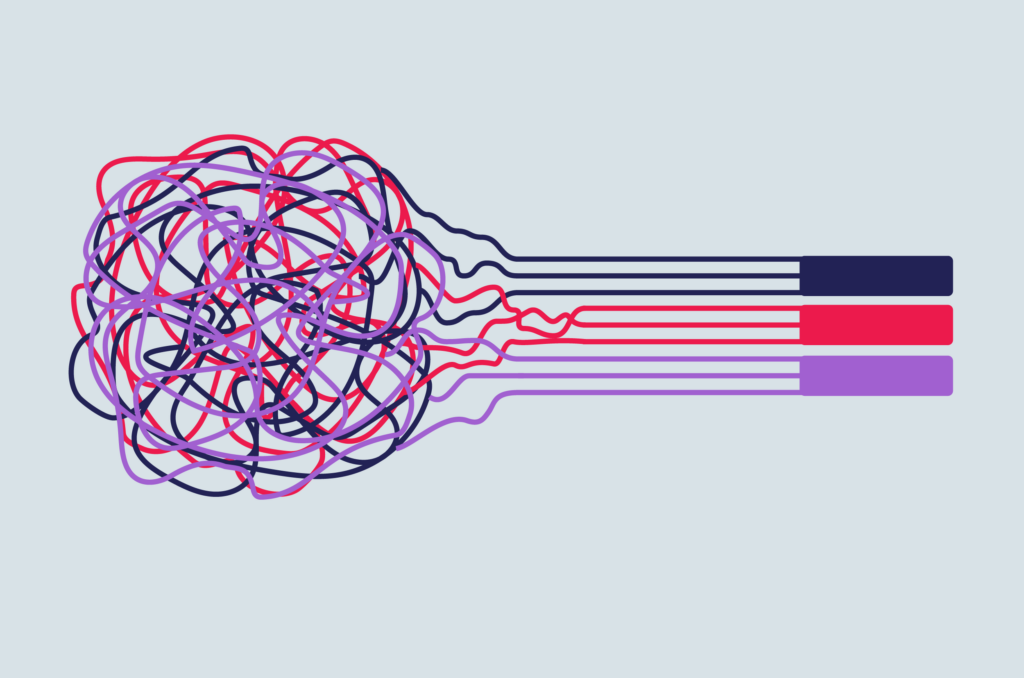
Removing the pain of campaign platform migration
Q. How did this retailer move its complex campaign program into a new …

Step 1
Pick a send
Together we choose one recurring campaign or newsletter that currently goes out one-size-fits-all.

Step 2
See what the data says
We score your customers against what each of them is genuinely likely to want.

Step 3
Personalise it
The send goes out shaped by that scoring, without your team building extra versions by hand.

Step 4
Compare the results
You see it next to the generic version, then decide what happens next.