

CAN’T PROVE WHAT’S WORKING
Every channel says it won. They can’t all be right.
You’re running the campaigns. What’s missing is a reliable way to know which ones actually earned the result, rather than just being the closest thing to it when it happened.
That distinction is where Plinc lives: customer data expertise, backed by a platform built to measure what actually changed.

WHY THIS HAPPENS
Every channel can prove its own case.
Nothing proves the whole one.
Most measurement happens inside the platform that ran the campaign, and every platform is naturally inclined to credit itself for anything that happens nearby. A customer who was always going to buy looks identical, in that report, to one the campaign genuinely persuaded.
Without a way to compare what happened against what would have happened anyway, every result looks like a success. The question stops being “did this work” and becomes “whose numbers do we believe,” which isn’t a measurement question at all.
It isn’t a shortage of reports. It’s a shortage of one report everyone believes.
WHY IT MATTERS
Not knowing what works doesn’t stop you spending.
It just stops you spending well.
Underperforming campaigns keep running because nobody can prove they should stop. Tactics that genuinely work don’t get scaled, because nobody can prove they’re the reason for the lift. Budget conversations turn into negotiations between departments instead of decisions based on evidence.
The money isn’t wasted. It’s just spent on confidence instead of evidence.

A BETTER STARTING POINT
One measure of what actually happened, that every team already trusts.
Results are attributed to the campaign that earned them, not the channel that happened to touch the customer last. Incrementality is visible at customer level, so you can see what a campaign changed, not just what occurred around it.
And because it’s built from the same customer data as everything else you run, it’s not a separate report to reconcile. It’s the number everyone already works from.
HOW WE GET YOU THERE
Hands-on expertise.
Proof instead of platform claims.
Every platform will happily tell you it worked. None of them can tell you what would have happened if you hadn’t run the campaign at all. Unilyze, our purpose-built platform, measures results against your customer data instead of against itself, so credit goes where it’s actually earned.
That shows up in three ways:

Campaign Analyzer
Measures what a campaign genuinely changed, not just what happened alongside it, so performance stops being a matter of opinion.
Customer Dashboards
One report, built from the same trusted data as the campaign itself, so teams stop arguing over whose numbers are right.
Future Value Model
Shows which customers and campaigns are actually worth the investment, so budget decisions stop being a guess.
Our analysts read the results with yours, so a number in a report turns into a decision in the next campaign.
Proof, Not Promises
Delivery, measured in days, not weeks.
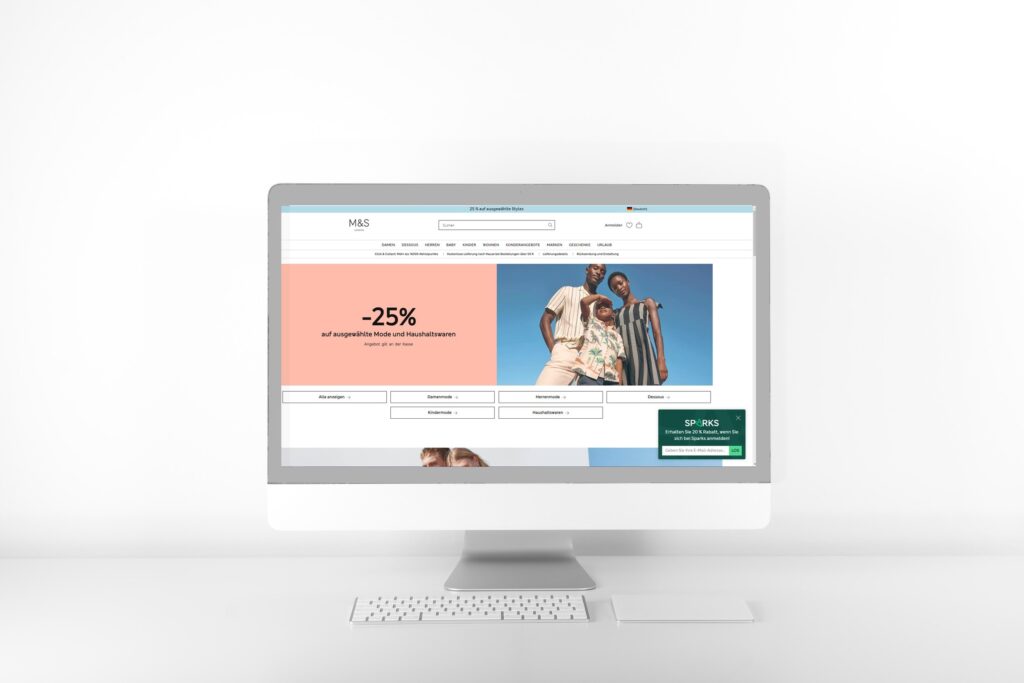
M&S International use Future Value Model for promotional segmentation
To increase retention and optimise marketing spend across these markets, …

Halfords connects customer data to promote loyalty
Q. How did Halfords deliver real value through their loyalty program?…
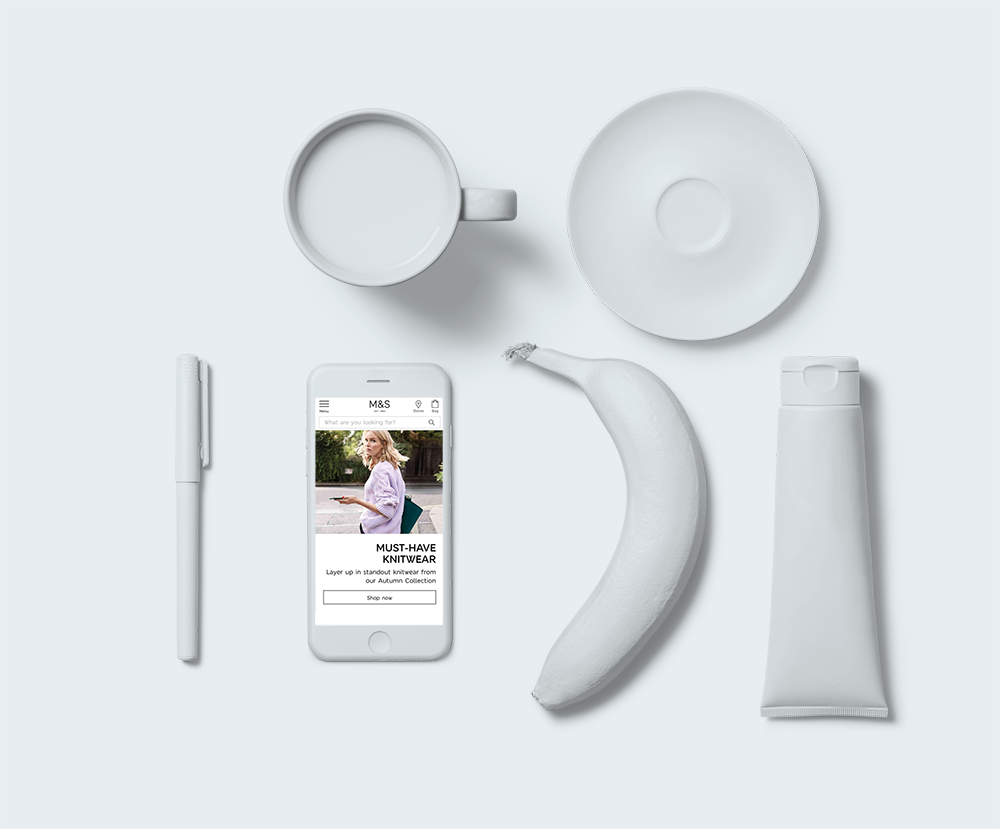
Dynamic campaign platform transforms M&S’ eCRM
Q: How did M&S manage to respond to rapidly changing business needs while …

Real time personalisation results in a 15% rise in email engagement
Q. How did this retailer achieve a 15% uplift in engagement by optimising …
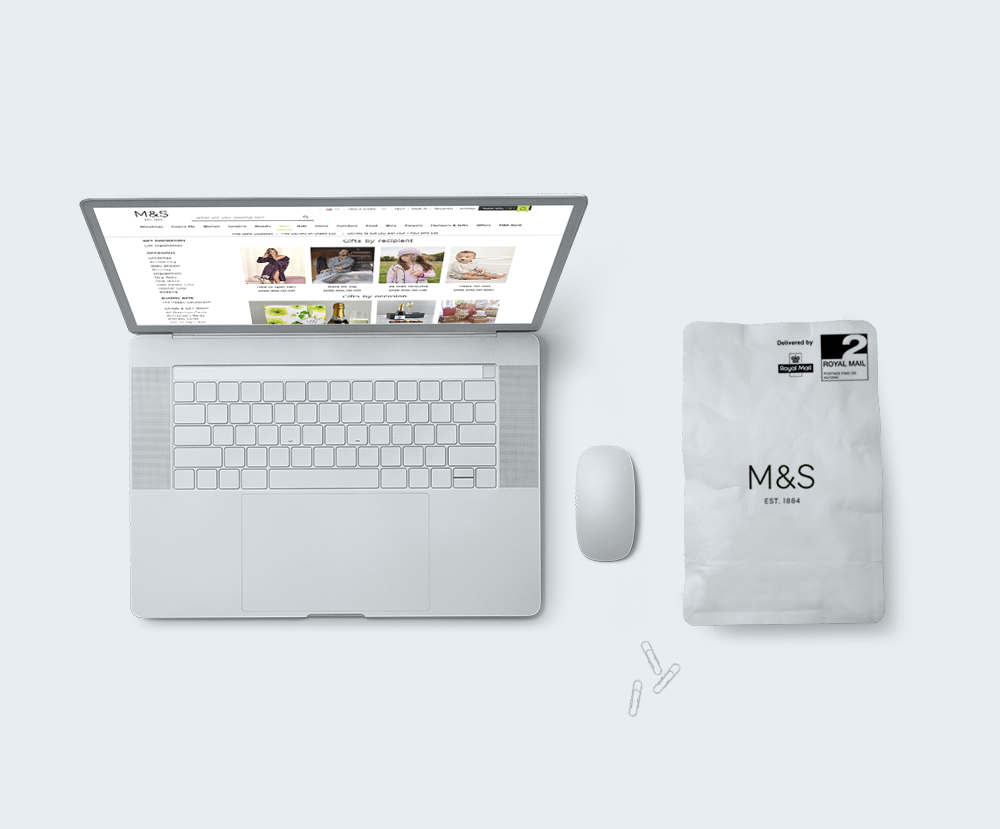
Predictive targeting boosts M&S’ email responses by 20%
Q. How did M&S achieve a 20% increase in email engagement and subsequently …
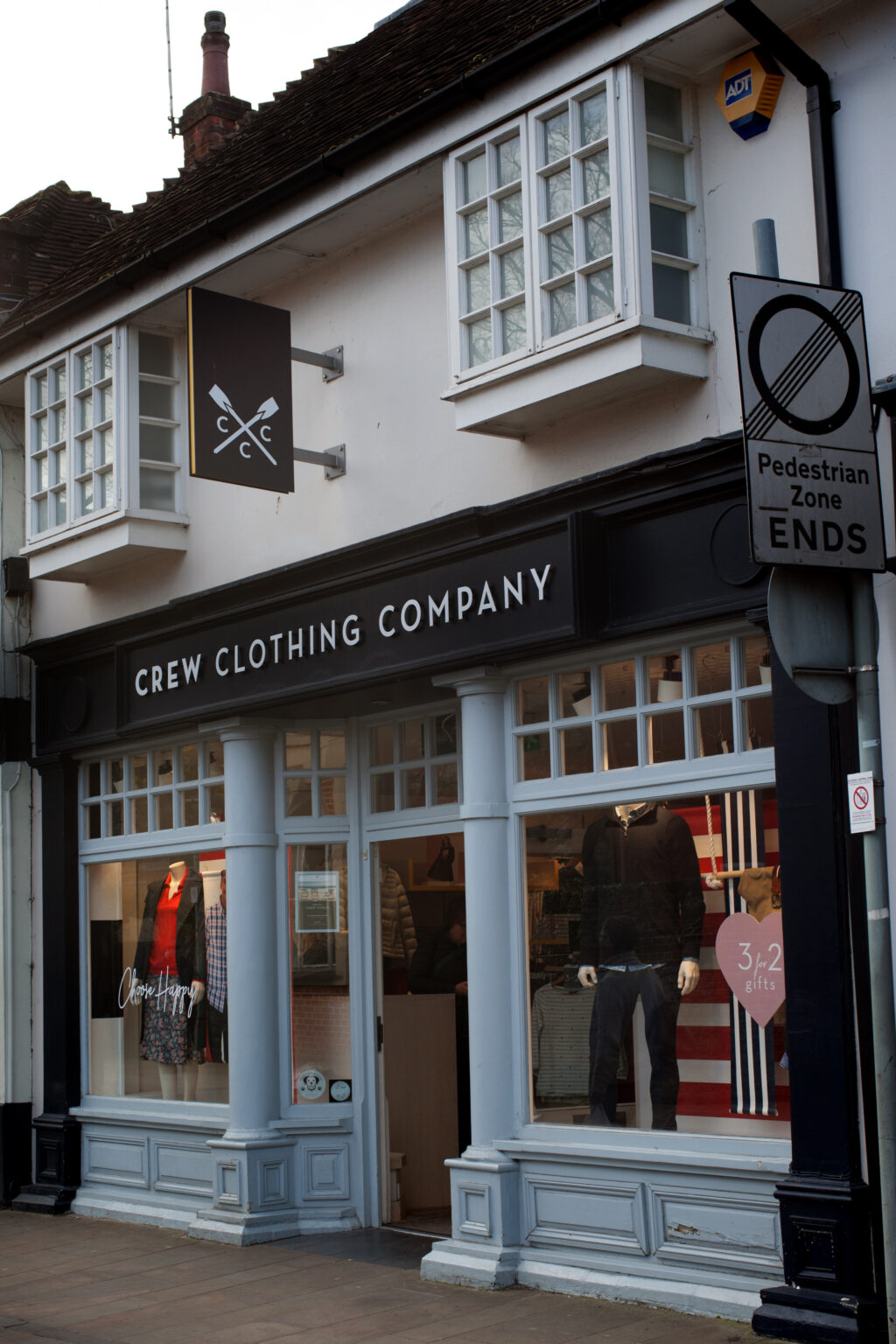
Crew Clothing get real-time insights in their Black Friday war room
Q. How did Crew Clothing get customer insights in their Black Friday War …

Step 1
Pick the metric
Together we choose a campaign or channel where the numbers are disputed or unclear.

Step 2
Measure it properly
We assess it against your customer data, isolating what it actually changed.

Step 3
Set it beside the platform’s version
You see our measurement next to what the channel itself reports.

Step 4
Decide what to trust
You see where they agree, where they don’t, and why, then decide what happens next.