

AI decisioning in CRM
Make sure AI is learning the right things.
The data you give AI shapes every decision it makes. Here’s what needs to be in place and why fixing it helps your programme right now.

The AI risk in CRM isn’t where most people are looking.
The debate often centres on platforms, tools and autonomy. Discussing which AI will make decisions, how much control to hand over, and which model is most sophisticated. These are real questions… eventually. But they’re not where the risk is.
The risk is in the data. AI doesn’t know whether the signal you give it is good. It will work with whatever it has and do so with complete confidence. Which means the questions that actually matter isn’t “are we ready for AI?,” it’s “is our data good enough for the decisions it would make?”
For most organisations, the answer is: not quite. But closer than you think.
The same work fixes two problems.
The foundations that make AI decisioning possible are the same ones that make your CRM programme better right now. You don’t have to choose between solving today’s problems and getting ready for AI.
- Better identity resolution means less wasted spend on already-converted or lapsed customers today
- Fresher data means your decisions reflect what customers are doing now, not three weeks ago
- A complete exposure history means your models aren’t working from gaps
- Causal measurement means you know what’s actually driving results, not just what correlates
That’s where this starts.
The Decisions Behind the Decisions
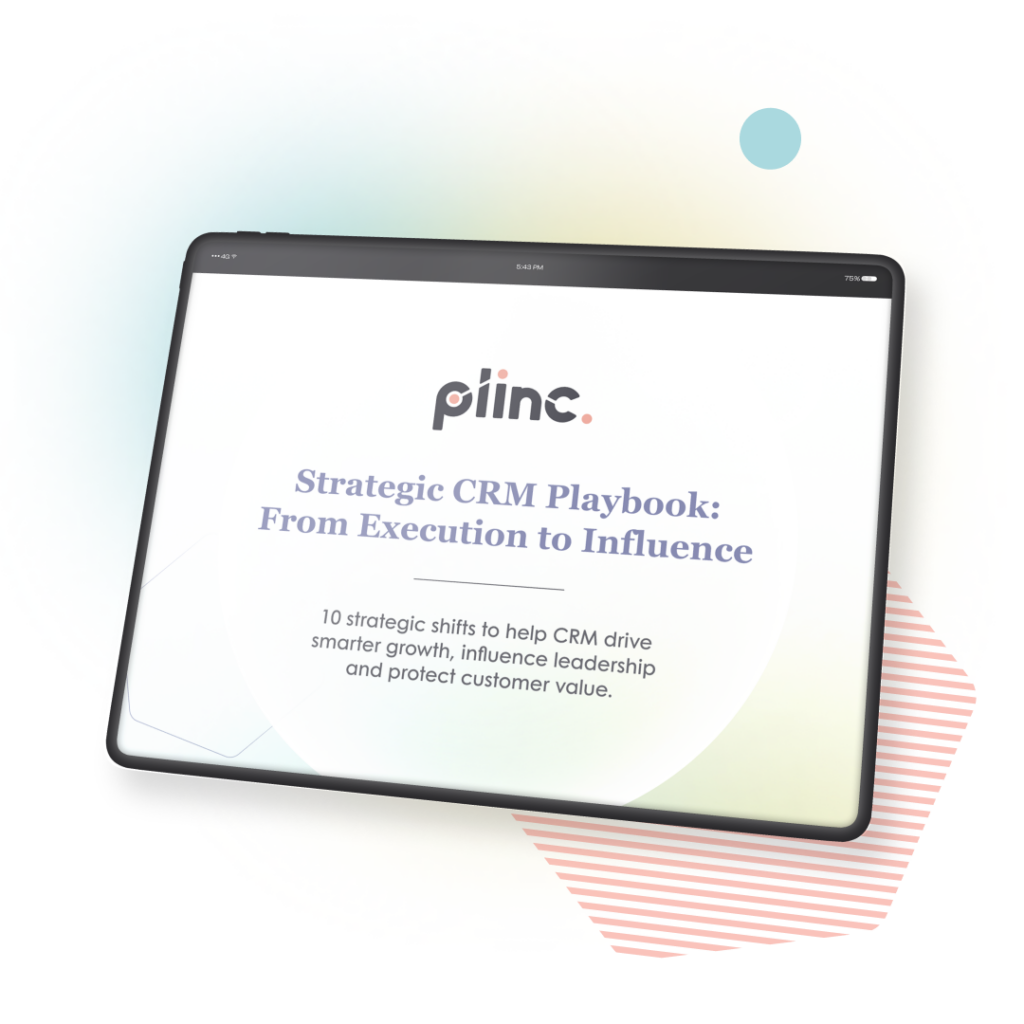
Start here if you want to understand why we think most of the AI in CRM conversation is focused on the wrong thing. A straight read, no commitment.
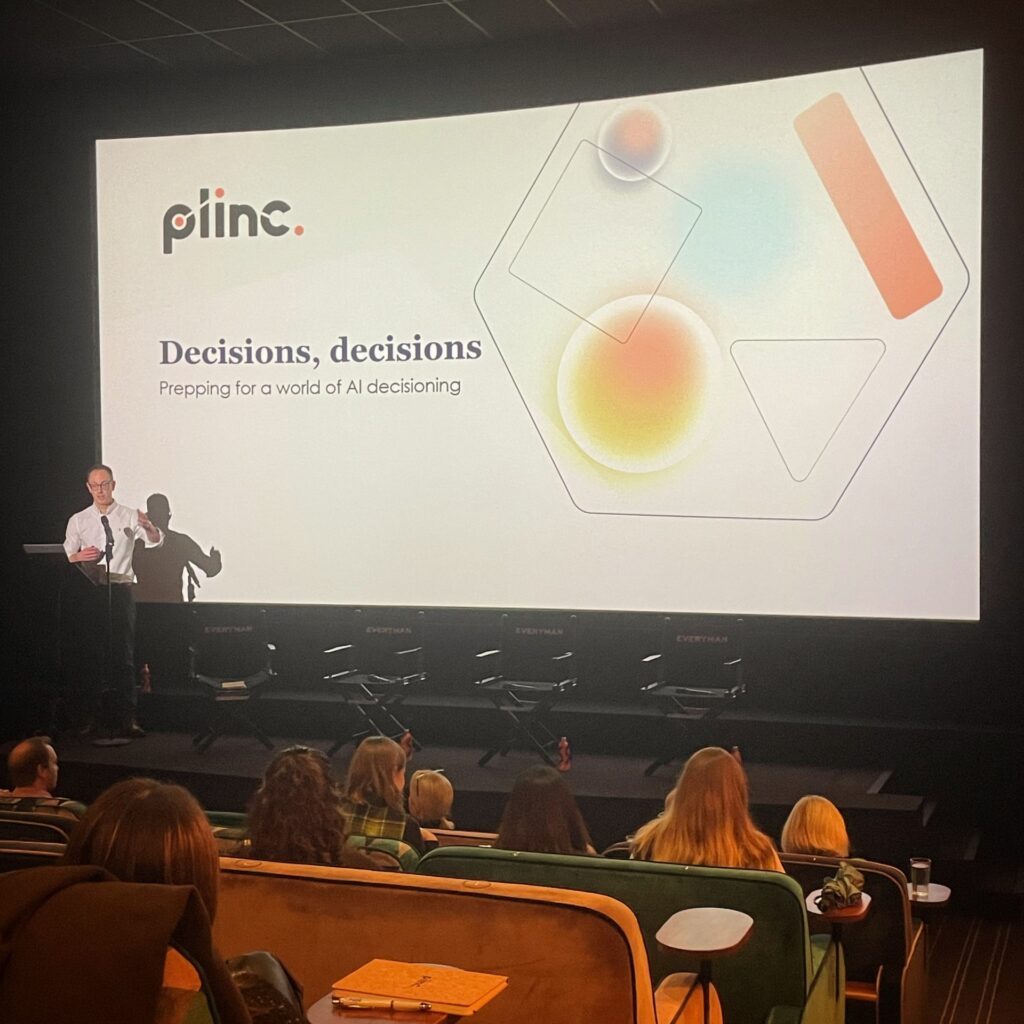
AI Decisioning in CRM — Full Session Recording
The full recorded session from our recent event series on AI decisioning in CRM. Covers the four foundations, the causal measurement argument, and a worked example of how learning-led decisioning delivered 40%+ uplift in incremental revenue.
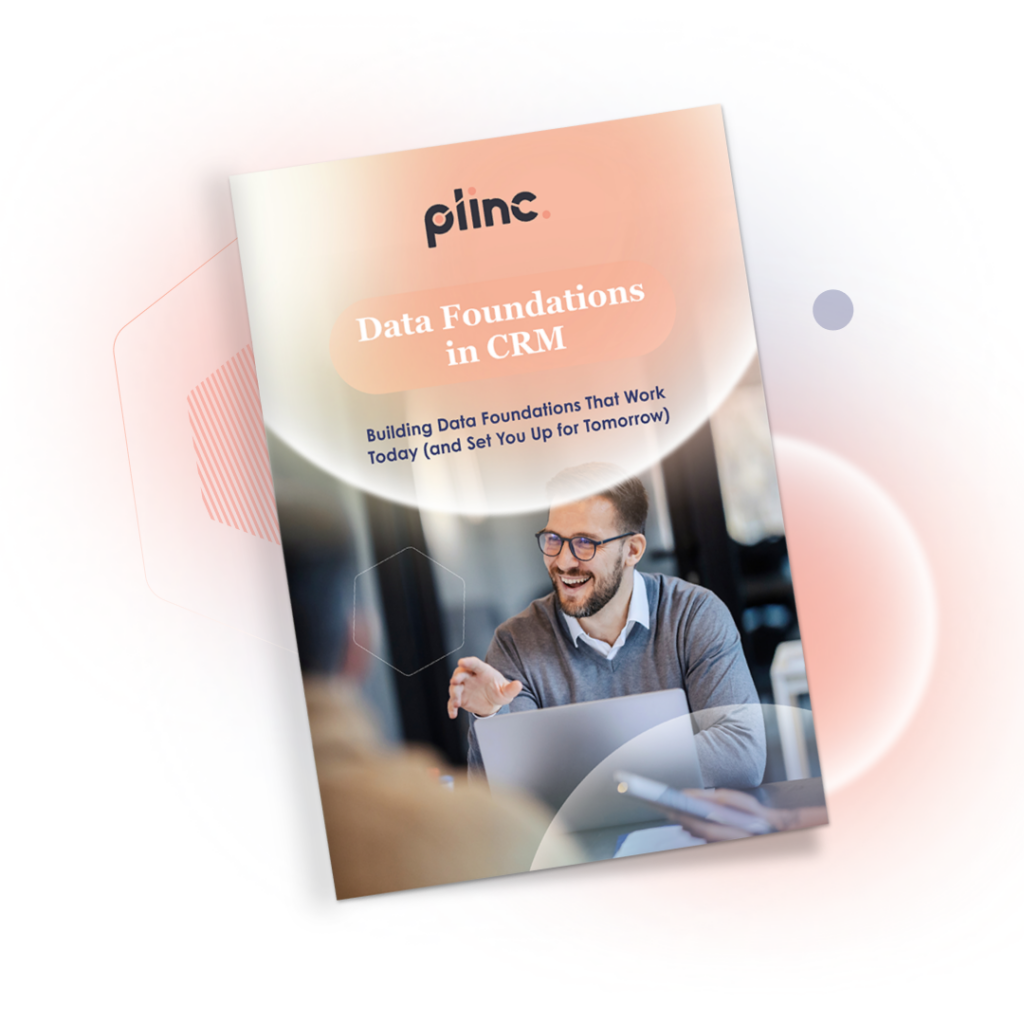
Data Foundations in CRM
A practical guide on the four foundations that determine whether your data supports better decisions today and AI decisioning tomorrow. What good looks like, what gets in the way, and what to prioritise first.

AI Readiness Checklist
Five minutes. Four foundations. How many warning signs does your team recognise? A self-diagnostic tool with what good enough looks like, the common warning signs, a sanity-check prompt for each, and one pragmatic improvement you can make now.

Creating the Learning Layer
The measurement framework that fixes today’s CRM problems and builds the learning AI depends on. Covers causal measurement, how target and control actually works in practice, and the case study showing 40%+ uplift in incremental revenue.
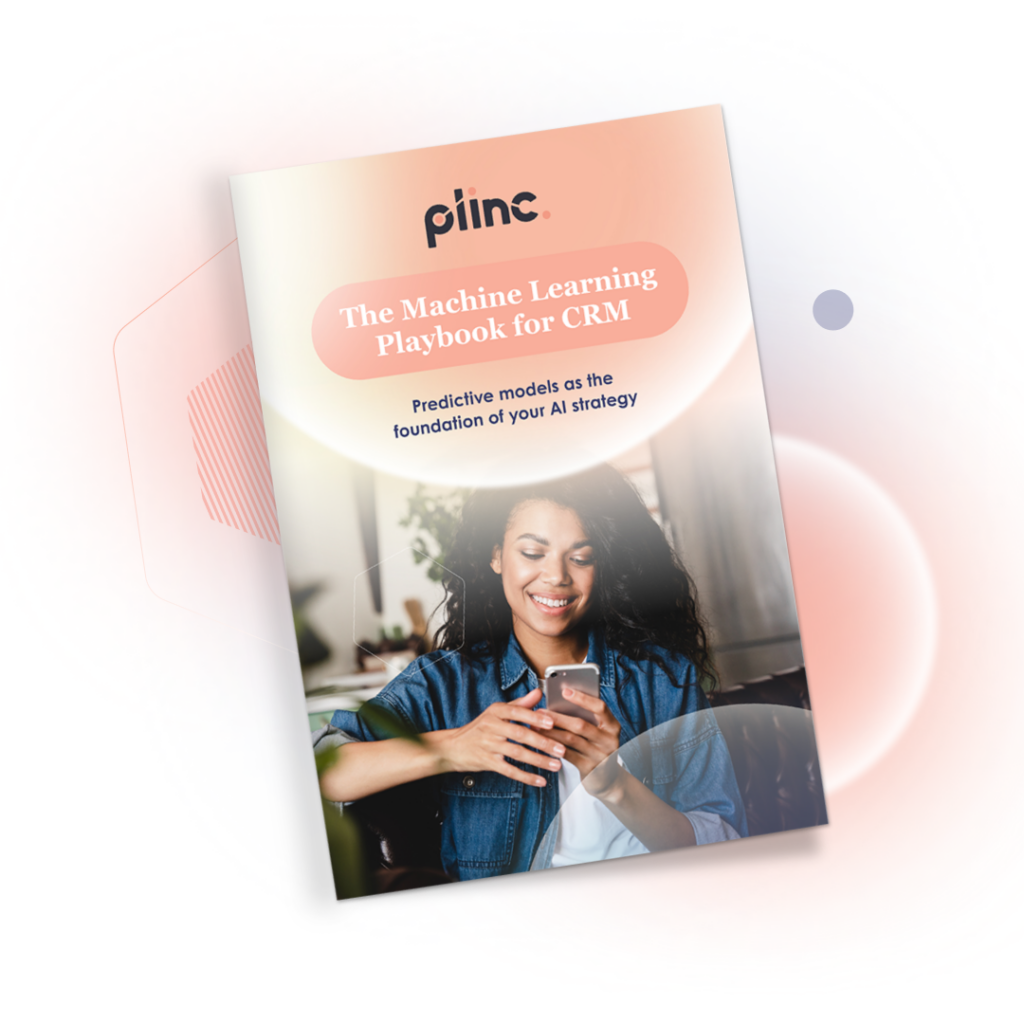
Machine Learning Playbook for CRM
For CRM teams who’ve moved past the ‘what is AI’ conversation and are thinking about how to actually build and deploy models within their existing programme. Practical, practitioner-level, no transformation project required.